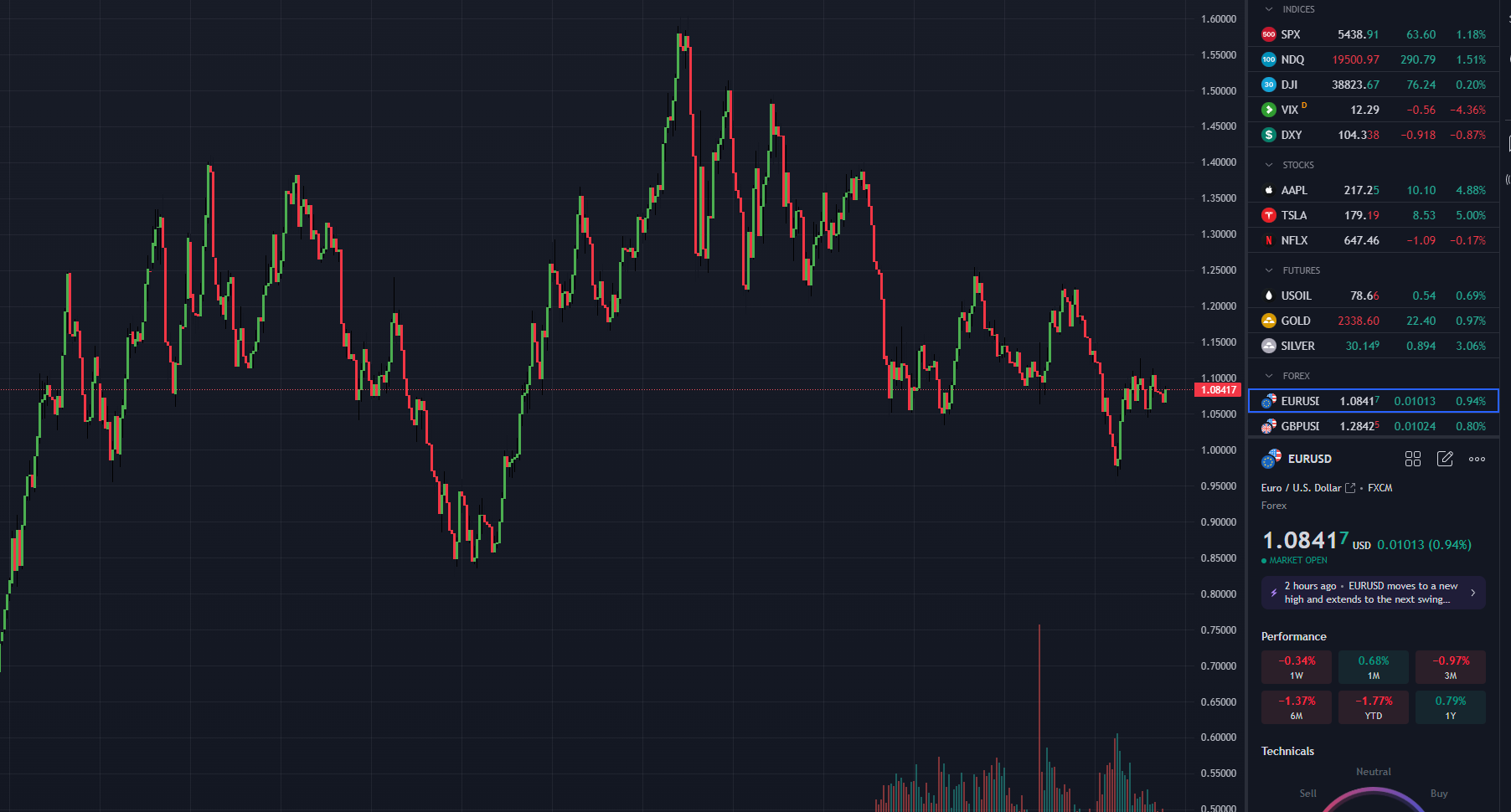

What is trading?
- Definition:
Trading is the act of buying and selling financial instruments with the goal of making a profit. These instruments can range from stocks and bonds to currencies and commodities. Essentially, trading involves the exchange of assets in financial markets.
- Types of Trading:
- Stock Trading: Involves buying and selling shares of publicly traded companies. Investors aim to profit from price fluctuations and dividends.
- Forex Trading: The foreign exchange market involves trading currencies against one another, like the US dollar versus the Euro. It’s the largest financial market in the world by volume.
- Commodity Trading: Deals with physical goods such as gold, oil, and agricultural products. Traders might speculate on the future prices of these commodities.
- Crypto Trading: Involves trading digital currencies like Bitcoin and Ethereum. This market is known for its volatility and rapid growth.
Markets
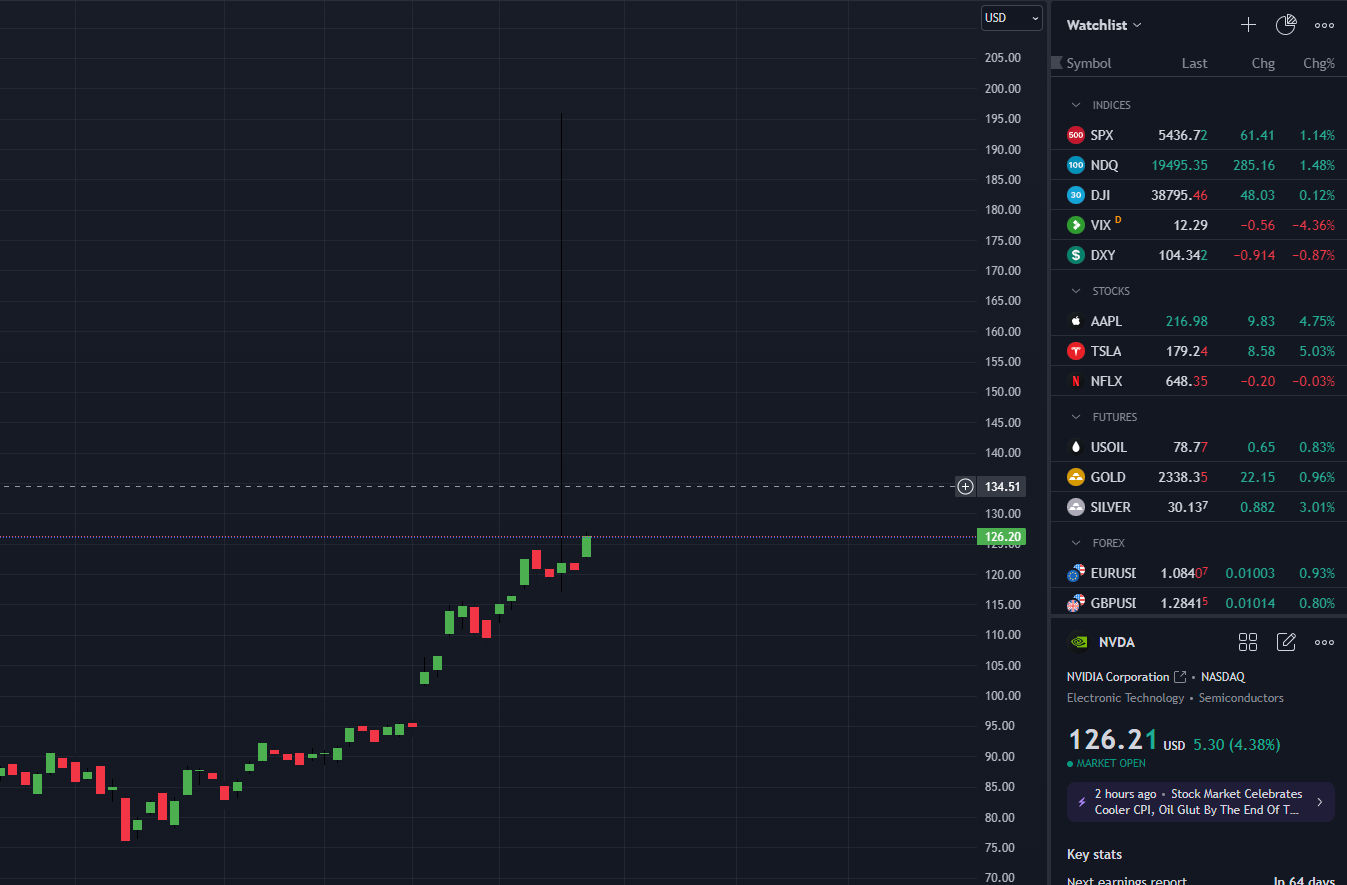
Stock Markets: Take a look at NVIDIA Corporation.
Stocks can experience gaps between candles due to pre-market orders. These gaps occur when the opening price of a stock significantly differs from its previous closing price, creating a visual gap on the price chart. This can happen because trading activity before the market opens, such as significant buy or sell orders, affects the stock's price based on news, earnings reports, or other factors influencing investor sentiment.
As a result, the stock opens at a different price than where it closed the previous day, causing a gap between the candles on the chart.
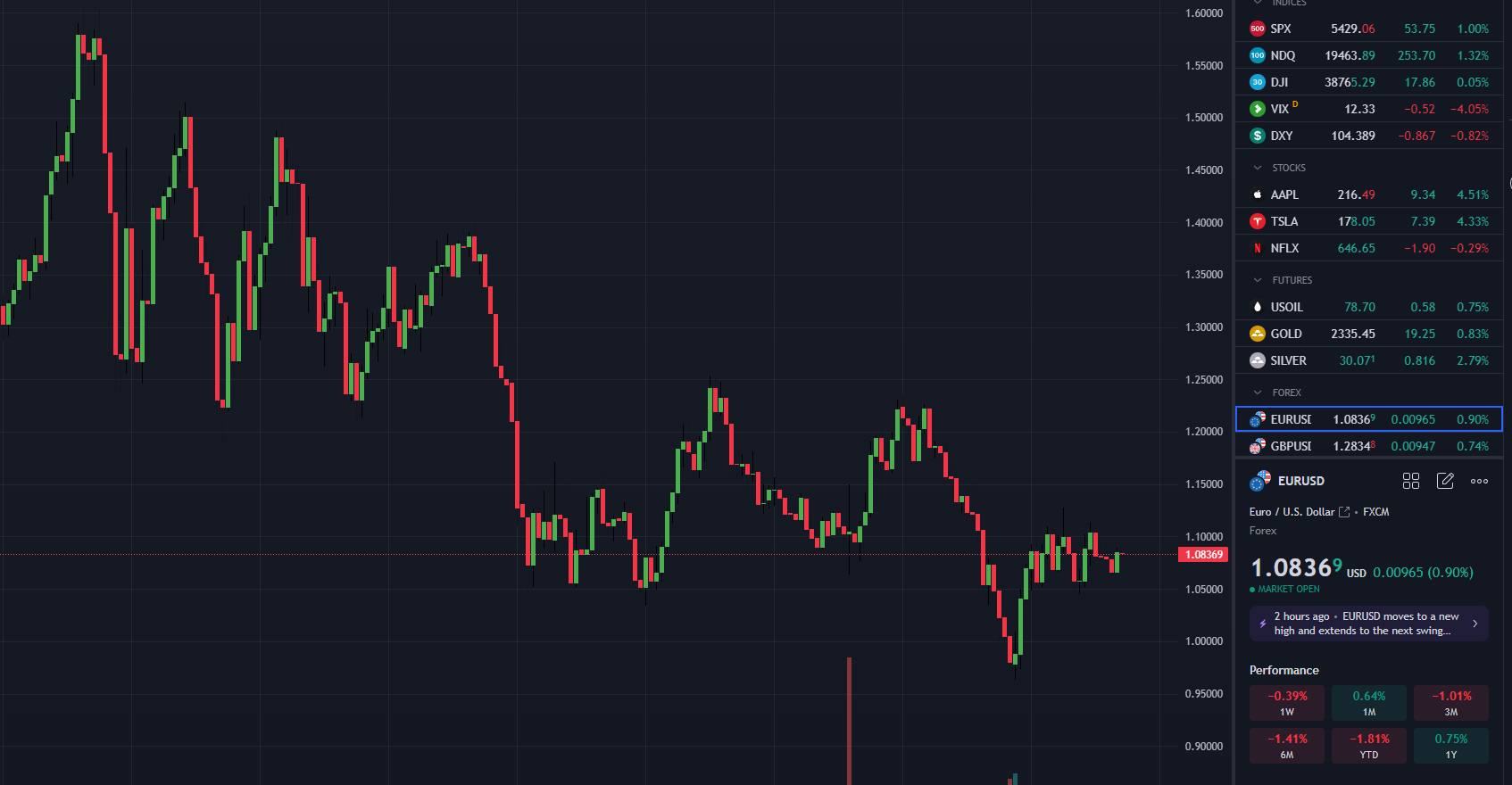
Forex Trading: Take a look at EUR-USD.
Forex trading stands out from other types of trading due to its unparalleled liquidity and 24-hour global market. Unlike stock markets, which have set trading hours, the forex market operates continuously, allowing traders to buy and sell currencies at any time of the day or night.
This round-the-clock trading is facilitated by major financial centers across different time zones, including London, New York, Tokyo, and Sydney.
Additionally, the forex market's immense daily trading volume, which exceeds $6 trillion, ensures high liquidity, enabling traders to enter and exit positions with ease and minimal price fluctuation.
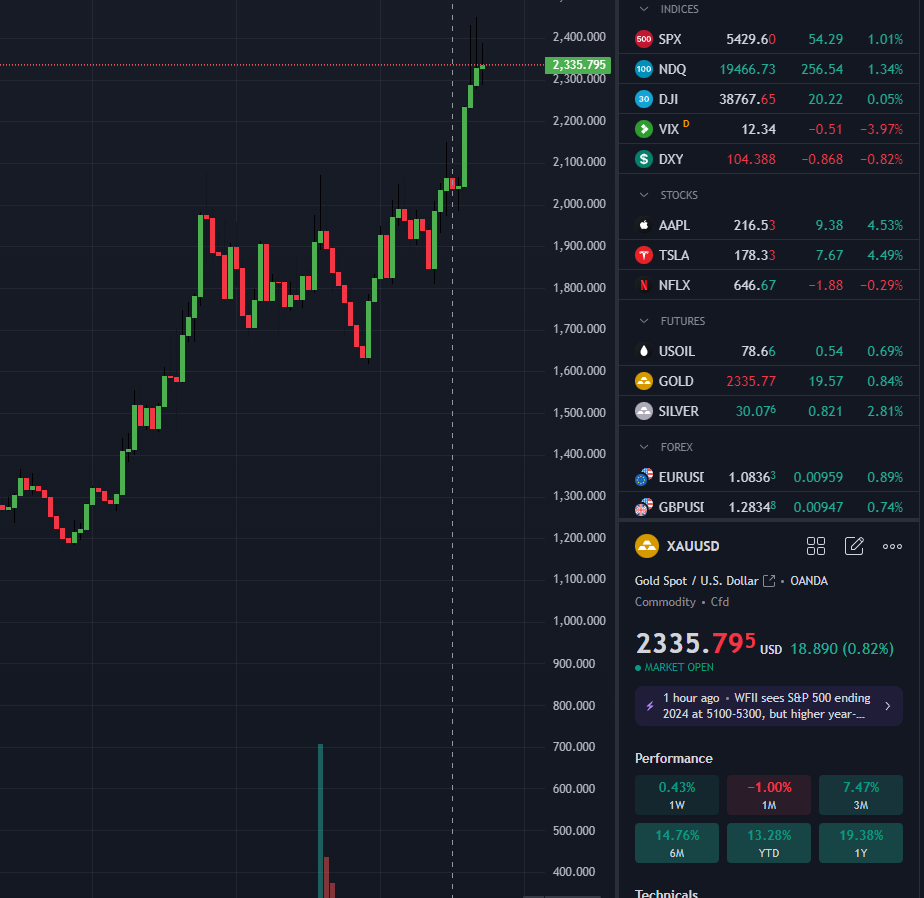
Commodity trading: Take a look at Gold.
When discussing things like the gold market, we refer to the trading of physical gold, as well as financial instruments like the spot market (XAU) and gold ETFs(Exchange Traded Funds), which track the price of gold and offer an accessible way for investors to gain exposure to gold without needing to hold the physical metal.
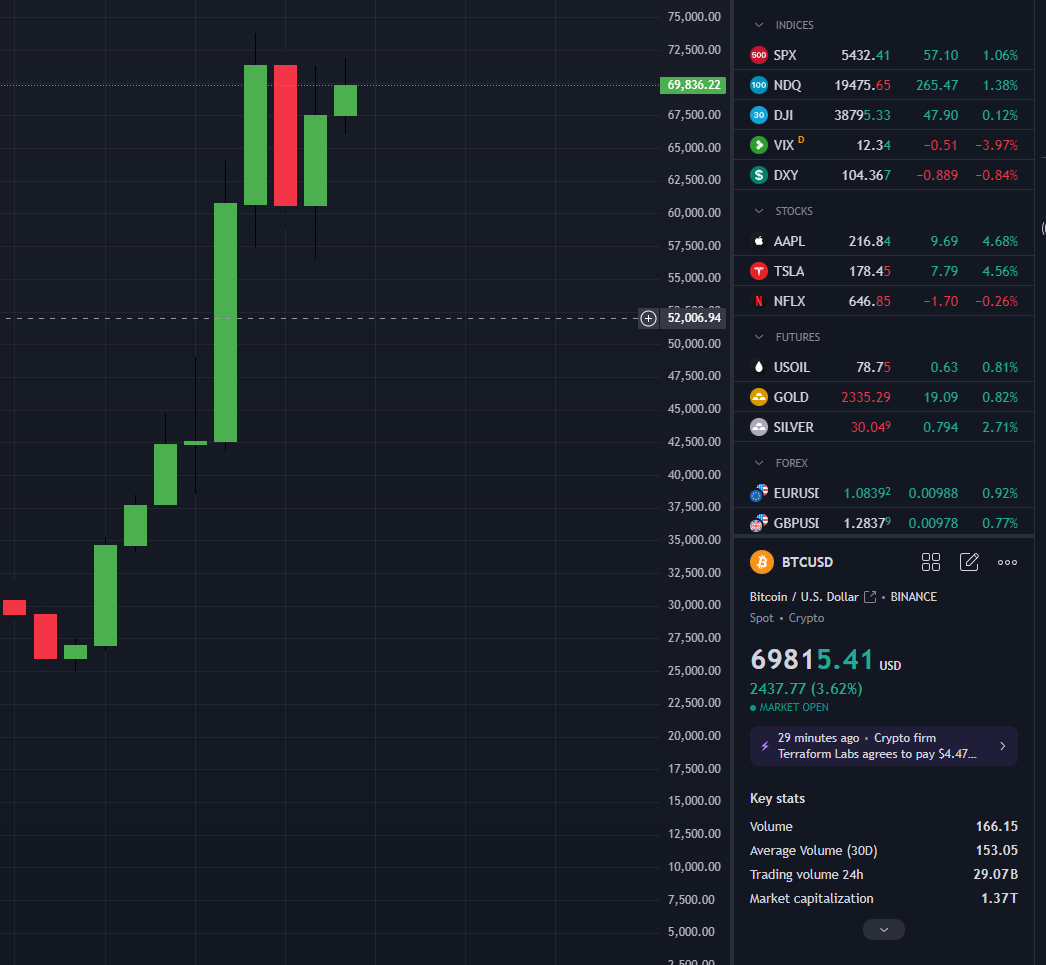
Crypto Trading: Take a look at Bitcoin.
Involves trading digital currencies like Bitcoin and Ethereum. Unlike traditional markets, the cryptocurrency market operates 24/7, allowing traders to buy and sell at any time, day or night. This continuous trading is facilitated by global crypto exchanges and the decentralized nature of blockchain technology.